
Blog entry by Vieroslava Dyson
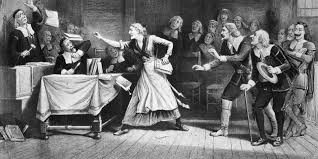
The Salem witch trials of 1692 remain one of the darkest chapters in early American history — a time when fear eclipsed reason, and hysteria was weaponized against the vulnerable. Yet, the deeper tragedy of Salem isn’t only about superstition or religious zeal. It’s about how societies, past and present, create systems that justify persecution in the name of purity, safety, or order.
🕯️ The Salem Witch Trials: Fear as a Social Weapon
In colonial Massachusetts, over 200 people were accused of witchcraft, and 20 were executed. These events were fueled by paranoia, misogyny, and a rigid Puritan belief system that saw deviation as danger. Women, especially those who were outspoken, independent, or poor, were disproportionately targeted. Their persecution wasn’t random — it was systematic, reflecting deep-seated fears about power, gender, and control.
The witch trials ended, but their legacy didn’t. Salem revealed how easily a community can turn on itself when authority, fear, and moral panic converge.
📱 Modern-Day Witch Hunts
The witch hunts of the 17th century may have ended, but their digital descendants thrive. Today, social media trials can destroy reputations overnight. Cancel culture, misinformation campaigns, and moral outrage cycles mirror the same psychological mechanisms as Salem — fear, conformity, and the rush to judgment.