
Blog entry by Alžbeta Brnická

When Royals Met Rappers: An Interdisciplinary Look at Power, Influence, and Identity
This revision lesson was designed with interdisciplinarity at its core, aiming to help students revisit European royal personalities from the late Middle Ages to the Enlightenment in a way that felt relevant, creative, and intellectually challenging. Instead of relying on traditional recall, students were invited to explore history through the lenses of art, media studies, sociology, and contemporary culture.
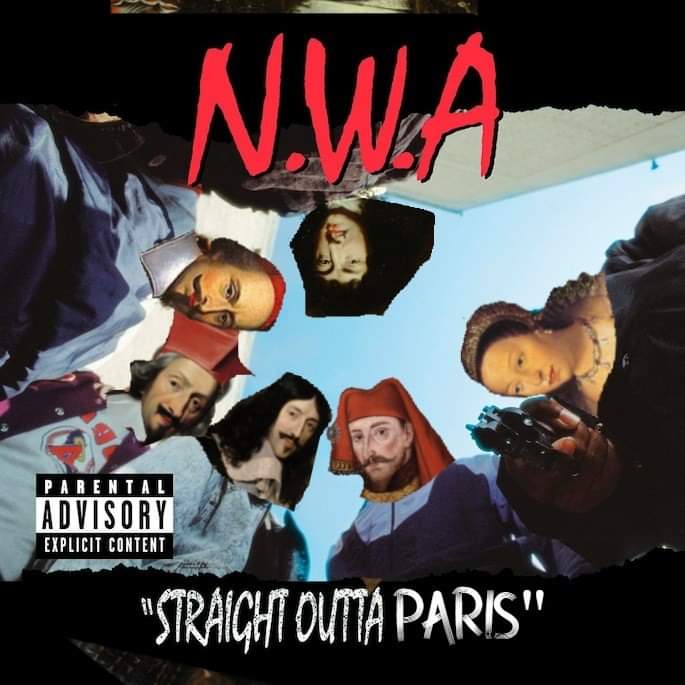
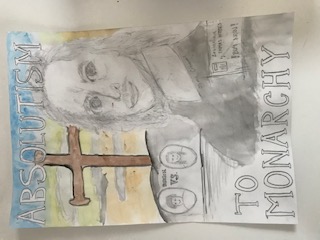
After completing the unit on European royals, students worked in groups, each focusing on a different European country and its ruling figures. Their task was both analytical and creative: to translate historical power and personality into a visual analogy using modern-day artists, celebrities, or influential figures. The guiding question was simple but powerful: If this royal lived today, who would they be?
The results were as diverse as they were insightful. Some groups designed magazine covers, portraying monarchs as glamorous celebrities, complete with headlines that mirrored ambition, scandal, or authority. Others drew bold parallels between absolute rulers and modern-day rappers or gangsters, highlighting dominance, reputation, territorial control, and the projection of power. One particularly striking approach compared regent mothers and influential royal women to the Kardashian empire, focusing on dynastic strategy, image-building, family legacy, and behind-the-scenes influence.
What made this lesson especially meaningful was the creative phase. Together, we analysed the visuals and analogies in depth. Students explained why they associated certain historical figures with specific contemporary personalities, unpacking similarities in motivation, public image, authority, ambition, and influence. These discussions revealed a sophisticated understanding of both historical context and modern culture. The analogies were not superficial; they were rooted in thoughtful observations about how power operates across time.
Through this process, the lesson fulfilled its core aim: to revise royal personalities not just as names and dates, but as influential individuals shaped by—and shaping—their societies. Students reflected on who these royals were, what their position in society meant, and how extensive their influence was in a time when monarchy dictated almost every aspect of life.
At the same time, the lesson naturally bridged past and present. Students recognised that while royalty is no longer the sole authority defining how people live, power and influence have not disappeared—they have shifted. Today, artists, celebrities, entrepreneurs, and media figures often play a comparable role in shaping values, aspirations, and identity, particularly in the lives of young people.
By combining history with visual expression, popular culture, and critical discussion, this interdisciplinary lesson transformed revision into exploration. It encouraged students to see history not as distant or irrelevant, but as deeply connected to the structures of influence they navigate every day. In doing so, it reinforced a key historical insight: while the faces of power may change, the mechanisms behind it often remain surprisingly familiar.